
Tips
What is the best way to recover your bicycle after theft?
TL;DR: After a bike is stolen, search the area first, file a police report within 7 days using the frame number, and mark your BIKEBAZE registration as stolen so the SafeTag flags it. Then scan marketplaces and social media for your bike.
··Last updated:
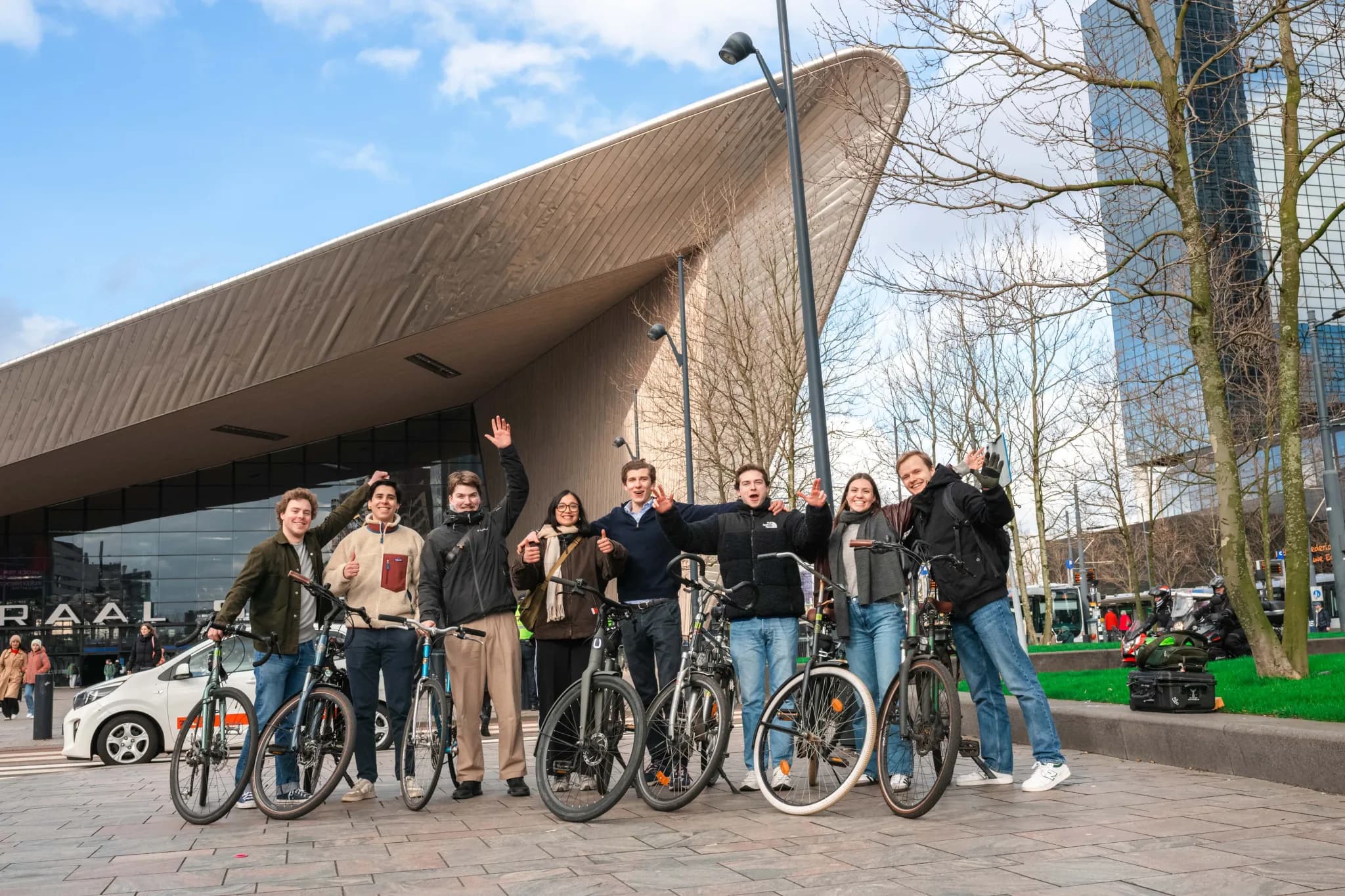
Your bike is gone. That horrible feeling in your stomach when you walk to the spot where you thought you left your bike, only to find an empty space. It happened to our founder, Dries, two years ago with his bike that he'd only had for a while. The frustration, the anger, the disbelief – these are emotions every cyclist who has experienced this recognises. But what do you do now? How do you increase the chances of seeing your trusty two-wheeler again?
Whilst prevention is obviously always better than cure, there are concrete steps you can take as soon as you notice your bike has disappeared. In this blog, we share the most effective approach to recovering your stolen bicycle, based on our own experiences and what actually works in practice.
Step 1: Search the area immediately
This may sound strange, but your bike isn't always actually stolen. Before you panic, take five to ten minutes to thoroughly search the immediate surroundings. We've experienced it ourself: thinking that our bikes had been stolen at the station, until we found it a few bike racks away.
But even if you're absolutely certain where you parked your bike, it may have been moved. Municipal services sometimes remove incorrectly parked bikes, or bikes that are in the way. It also happens that thieves park a bike a bit further away to check whether it has a tracker, before taking it permanently.
Therefore, check:
- Adjacent bike racks and storage areas
- The opposite side of the street
- Nearby side streets
- The municipal bicycle depot via your local lost and found service
Step 2: Report to the police immediately
If your bike is really gone, you must report it to the police as quickly as possible – in any case within seven days. You can do this easily online via your national police website with your digital ID, or by telephone.
Why is this so important? Firstly, it's often mandatory for your insurance. Without a police report, you won't receive compensation. Secondly, your bike's details enter the official bicycle theft register. This means that when the police find a stolen bike, they can link it to your report.
The most important thing you must provide in your report: the frame number. This unique number, usually found near the bottom bracket or under the headset, is the way your bike can be identified. Without a frame number, recovering your bike becomes much more difficult. Haven't noted down this number? Check your purchase receipt, invoice or warranty certificate – it's often stated there as well.
Step 3: Report the theft on your registration platform
Have you registered your bike with a platform such as BIKEBAZE? Report the theft immediately. By marking your bike as stolen in the database, you help not only yourself, but also the community. When someone scans the SafeTag on your bike or looks up the frame number, it immediately becomes visible that the bike is registered as stolen.
This significantly increases the chances of recovery. Potential buyers can check whether a second-hand bike is stolen before purchasing it, and honest sellers can return inadvertently purchased stolen bikes. That visibility acts as a deterrent to handlers and makes trading in stolen bikes much more difficult.
Step 4: Start your own search online
Don't wait passively for the police to find your bike – the reality is they simply don't have the capacity to actively search for every stolen bicycle. Take matters into your own hands and search yourself.
Online marketplaces and social media selling platforms are the first places you should look. Stolen bikes often appear online within a few days. Look out for suspicious signs:
- Vague or poor-quality photos
- Unrealistically low prices for the type of bike
- Seller who can provide few details
- No frame number visible or mentioned
- Location that's far from the theft location
Set up a search alert with your bike's make and model, and check it daily. Also use local selling groups on social media. We know cases where people their bikes because a friend recognised it in a neighbourhood selling group – the thief hadn't even bothered to take a proper photo, making the specific accessories clearly visible.
Alert your network. Share on social media that your bike has been stolen, with a clear photo and description. The more eyes looking out, the greater the chance someone will spot your bike somewhere. Post it in local neighbourhood watch groups on messaging apps or community platforms.
Step 5: Contact your insurance
Do you have bicycle insurance? Report the theft within the timeframe stated in your policy – often this is within a few days. You'll need:
- The police report reference number
- The frame number
- Proof of purchase or invoice
- Possibly photos of the bike
Note: some insurers set additional requirements, such as using an approved lock (certified security rating) or that the bike was in a locked space. Check your policy conditions.
Prevention for the future: preparing once saves a lot of stress
The best way to recover your bike is, of course, to prevent it from being stolen in the first place, or at least be prepared. After our own bad experiences, we've done a few things we recommend to everyone:
Register your bike preventatively. By registering your bike in advance with a platform with visible anti-theft stickers like the BIKEBAZE SafeTag, you make your bike recognisable and less attractive to thieves. It works as a visual deterrent: thieves avoid bikes that are traceable.
Take photos and note down details. Record the frame number, make, model, colour and distinctive features. Take photos from the front, back and side. Store this together with your proof of purchase in the cloud or a secure app. If your bike is stolen later, you'll have everything to hand immediately.
Invest in good security. Use at least one sturdy, certified lock. Better still, two locks of different types. And of course: always lock your bike to a fixed object, even during short stops.
The hard reality and a glimmer of hope
Let's be honest: the statistics aren't exactly encouraging. Only a fraction of stolen bikes are recovered and returned to their owner. But that doesn't mean you should let it happen without taking action. Every step you take – from filing a police report to conducting your own online search – increases the chances, however small.
What strikes us is that the cases where bikes are recovered almost always involve good preparation: a registered frame number, visible marking, or an alert network. The combination of official registration, visible deterrence and an alert network of fellow cyclists makes the difference.
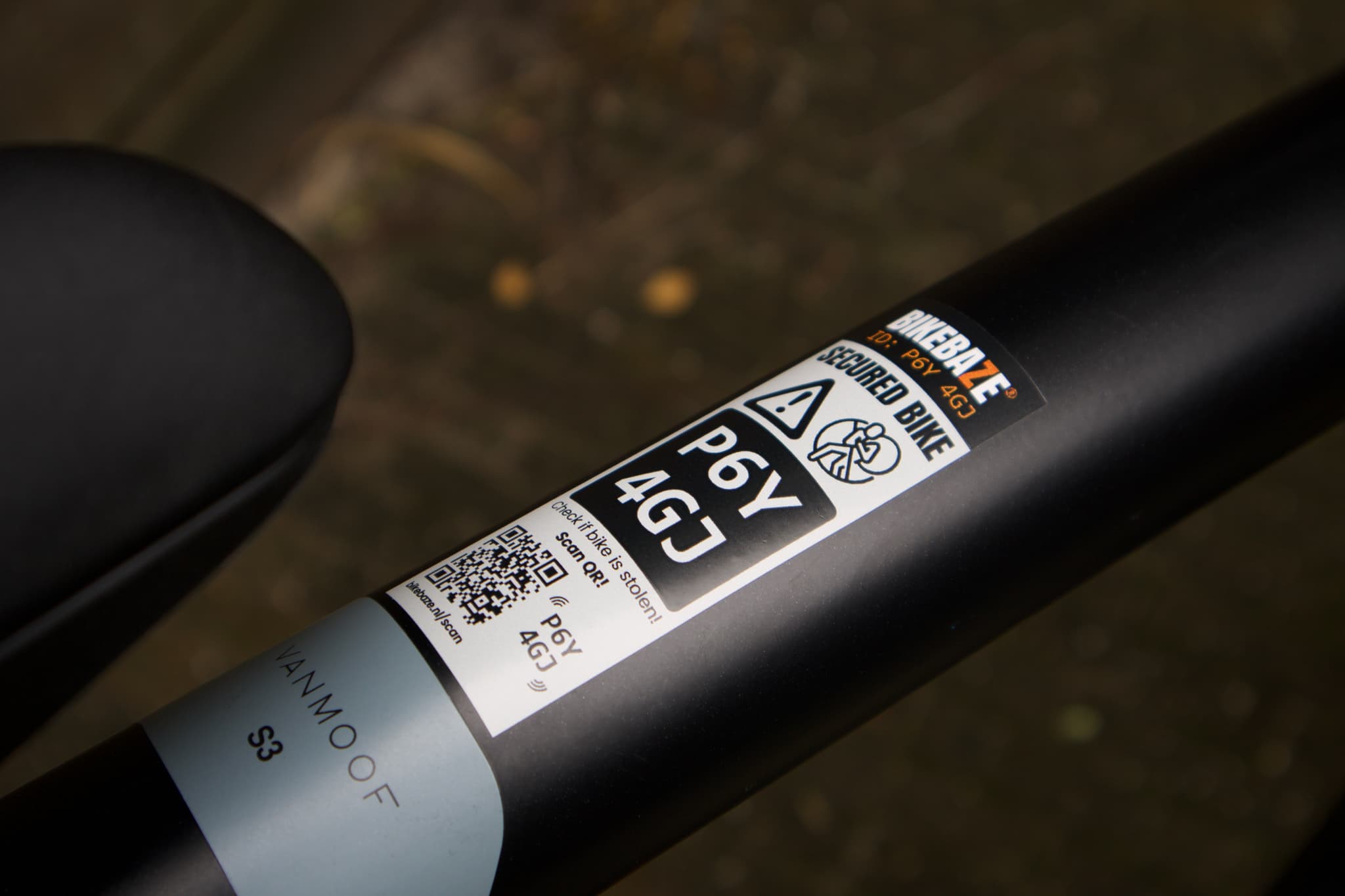
Protect your bike with a SafeTag
The anti-theft sticker that deters thieves and raises the odds of getting your bike back thanks to an active community. Free shipping, ordered before 15:00 ships the same working day.
Tamper-resistant: damage-free removal takes at least 45 minutes
View SafeTagWant to insure your bike too? Get 15% off with Qover
Protect your bike today.
Join thousands of cyclists who register their bike with BIKEBAZE® and help build a safer cycling world.
Register for FREE