
How do I make my bike traceable without GPS?
TL;DR: You can make a bike traceable without GPS or subscriptions: free BIKEBAZE registration with a SafeTag QR sticker, Bluetooth trackers like AirTag or Tile, hidden RFID/NFC chips, frame-number engraving, and UV markings or microdots all add identifiable layers.
··Last updated:
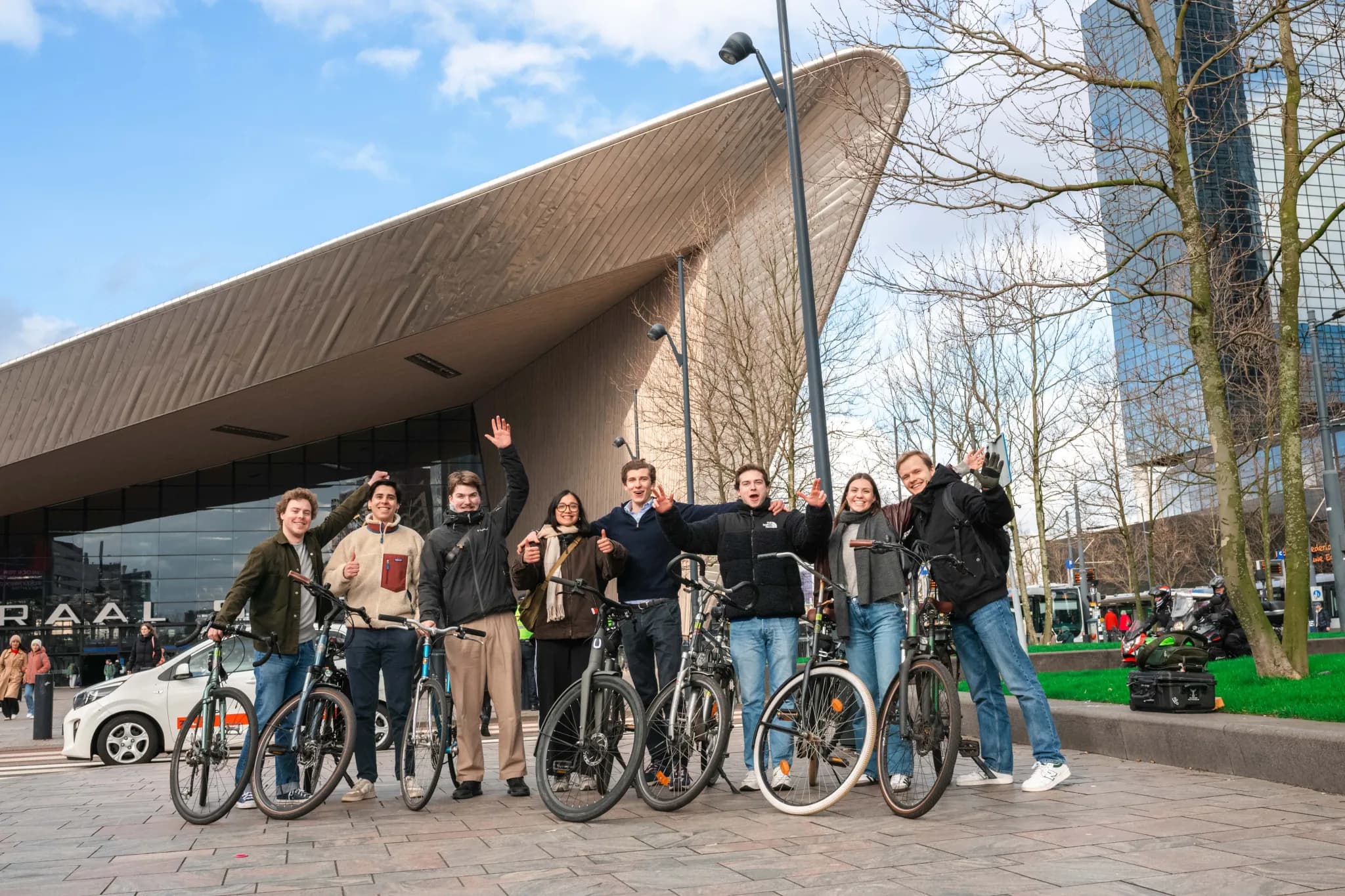
Many cyclists immediately think of GPS trackers when it comes to making their bike traceable. But not everyone wants to pay monthly subscription fees or charge a battery. Fortunately, there are several methods to make your bike traceable without GPS. In this article, you'll discover seven effective alternatives that deter thieves and increase the chances of recovery.
1. Bike Registration with QR Code Sticker
One of the most effective ways to make your bike traceable without GPS is through a digital registration platform with a physical identification sticker. BIKEBAZE offers a proven solution for this: after free registration of your bike, you receive a SafeTag – a visible, tamper-resistant anti-theft sticker with a unique QR code.
How it works:
- You register your bike for free via the platform by adding the frame number, photos, and ownership details
- You receive a SafeTag sticker that you place on your bike and, if applicable, your battery
- Anyone can scan the QR code to check whether a bike is registered as stolen
- In case of theft, a finder can contact you anonymously via the platform
Why this works: The visible sticker acts as an active deterrent. Thieves avoid bikes that are clearly registered because they know the bike is easy to identify. Moreover, it helps when purchasing second-hand bikes – buyers can directly check the frame number and verify a bike's status.
2. Bluetooth Trackers Like AirTag and Tile
Bluetooth trackers are a popular alternative to GPS. These small devices like Apple AirTag or Tile Mate don't use GPS satellites but rely on Bluetooth signals from passers-by with smartphones.
Advantages:
- No subscription costs
- Long battery life (often 1 year or longer)
- Compact and easy to hide in the saddle or frame
- Worldwide coverage via networks of millions of smartphones
Limitations:
- Less effective in rural areas with few people
- Dependent on the density of nearby devices
- Limited range (10-100 meters for direct connection)
- Knowledgeable thieves can detect and remove the tracker
Best applications: Bluetooth trackers are most effective in urban environments where many people with smartphones are present. They provide good additional protection alongside visible prevention such as registration stickers.
3. RFID Chips and NFC Tags
RFID (Radio Frequency Identification) and NFC (Near Field Communication) are technologies that make your bike identifiable without active tracking. An RFID chip or NFC tag is hidden in the frame and can be scanned by police or bike mechanics.
How it works:
- A small chip is invisibly integrated into the bike frame
- During inspection, police or a bike mechanic can scan the chip
- The chip contains a unique number linked to a database with owner information
- No battery needed – the chip remains active for life
Strengths: This method is permanent and cannot be removed without damage. It mainly helps in identifying stolen bikes found by police.
Disadvantage: You cannot actively search for your bike yourself – the chip primarily serves as proof of ownership upon recovery.
4. Frame Number Engraving and Registration
The frame number is your bike's DNA. By registering your frame number in a central database, you make your bike traceable without technology. Many thieves avoid bikes when they know the frame number is registered.
Important steps:
- Find the frame number on your bike (usually at the bottom of the frame near the bottom bracket)
- Register the number in a reliable database
- Ensure the registration is visible via a sticker or marking
- Take a photo of the frame number as proof
For extra clarity, you can check your bike's frame number when purchasing a second-hand bike to verify it hasn't been stolen.
5. UV Markings and Microchip Technology
A lesser-known but effective method is applying UV markings or microdots to your bike. These are invisible to the naked eye but detectable with special equipment.
Features:
- UV paint contains a unique code only visible under UV light
- Microdots are microscopic chips with a unique number
- Very difficult to remove without damaging the frame
- Used by police during large-scale inspections
This method is particularly suitable in combination with other forms of registration and visible deterrence.
6. Community-Driven Prevention and Reporting Systems
Traceability isn't just about technology – it's also about an active network of people helping each other. Platforms that enable users to collaborate in combating bike theft are particularly effective.
Benefits of community-based approach:
- Users can report suspicious bikes
- Quick distribution of theft alerts
- Local awareness increases chances of recovery
- Preventive effect through collective awareness
This works especially well when combined with visible registration, allowing community members to quickly check whether a bike is stolen.
7. Combination Strategy: Multiple Layers of Protection
The best approach is combining different methods. This creates multiple barriers for thieves and increases the chances of recognition and recovery.
Effective combinations:
- Registration with visible sticker + quality lock
- Bluetooth tracker (hidden) + QR code identification (visible)
- Frame number registration + community reporting system
- RFID chip (permanent) + preventive sticker
By using multiple layers of protection, you make your bike a less attractive target and significantly increase the chances of recovery if it does get stolen.
Conclusion: GPS Is Not the Only Option
Making your bike traceable doesn't have to be complex or expensive. Systems without GPS often offer a better balance between cost, ease of use, and effectiveness. The visible deterrence of a registration system like BIKEBAZE, combined with practical tools like Bluetooth trackers or RFID chips, provides strong protection against theft.
Start with the basics: register your bike and ensure visible identification. Optionally add a hidden Bluetooth tracker for extra security. This way, you create an effective defense against bike theft, without monthly costs or complicated technology.
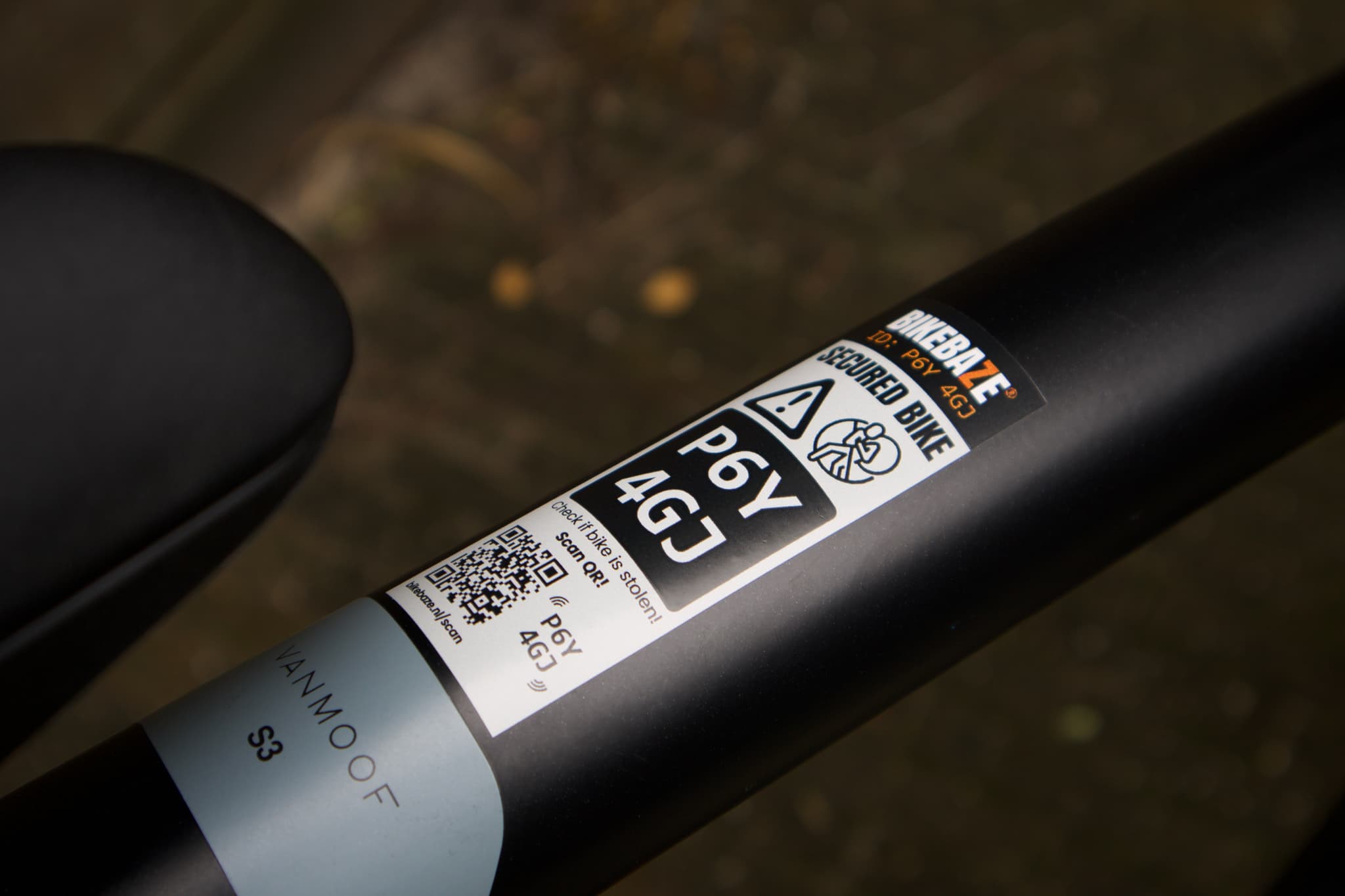
Protect your bike with a SafeTag
The anti-theft sticker that deters thieves and raises the odds of getting your bike back thanks to an active community. Free shipping, ordered before 15:00 ships the same working day.
Tamper-resistant: damage-free removal takes at least 45 minutes
View SafeTagWant to insure your bike too? Get 15% off with Qover
Protect your bike today.
Join thousands of cyclists who register their bike with BIKEBAZE® and help build a safer cycling world.
Register for FREE