Tips
How Can You Recognise a Stolen Bicycle?
TL;DR: Spot a stolen bike by checking for scratched-off frame numbers, missing SafeTag-style stickers, suspiciously low prices, and vague online listings. Cross-check the frame number in databases like BIKEBAZE, BikeRegister, Bike Index, or the RDW register.
··Last updated:
Every year, millions of bicycles are stolen across Europe, and many of them end up back on the second-hand market. Whether you're buying a used bike, checking a suspicious listing, or simply curious about a bicycle parked nearby, knowing how to recognise the signs of a stolen bicycle is essential. This guide walks you through the key indicators, from altered frame numbers to suspicious seller behaviour, so you can make informed decisions and help reduce bicycle theft.
1. Check the Frame Number or Serial Number
The frame number, sometimes called a serial number, is the unique identifier stamped, engraved, or printed onto every bicycle. It's the single most important detail when verifying a bike's legitimacy.
Where to find it:
- Under the bottom bracket (where the pedals attach)
- On the rear dropout or seat tube
- Inside the head tube
- On e-bikes or higher-end models, sometimes on the downtube
Red flags to watch for:
- Polished, scratched-off, or unreadable frame numbers suggest someone has tried to hide the bike's identity
- Freshly painted over numbers or excessive paint around the bottom bracket
- Missing or altered stickers that usually display frame information
What to do: Ask the seller for the frame number before meeting in person. Cross-check it in public databases such as BIKEBAZE, BikeRegister, Bike Index, or national stolen bike registries. In the Netherlands, use the Fietsdiefstalregister (RDW). Platforms like BIKEBAZE also allow you to check bike status by frame number and provide a visible SafeTag system that makes registered bikes instantly identifiable.
2. Look for Visible Theft Prevention Tags or Stickers
Many owners register their bikes with platforms that issue visible deterrents, tamper-resistant stickers or tags placed on the frame or battery. These tags serve as proof of registration and a visible warning to thieves.
What to look for:
- A BIKEBAZE SafeTag, which is a brightly coloured, scannable anti-theft sticker linked to a central database
- Registration or tracking stickers from BikeRegister, Project 529, or local schemes
- Clear, intact tags that haven't been peeled, torn, or painted over
Red flags:
- Stickers that have been removed or are partially torn, leaving sticky residue or damage
- Fresh paint covering areas where tags or barcodes are usually placed
- A seller who refuses to let you scan the tag or claims "it doesn't work"
Registered bikes with visible tags are significantly less attractive to thieves because they can be traced. If a tag is missing or damaged, ask why, and be prepared to walk away if the explanation doesn't add up.
3. Examine the Price, If It's Too Good to Be True, It Probably Is
Thieves want to offload stolen bikes quickly, often listing them at a fraction of their real value. An unusually low price is one of the clearest warning signs.
How to spot it:
- Compare the listing price to similar models on legitimate second-hand platforms
- High-end brands (like Gazelle, VanMoof, Brompton, or premium e-bikes) listed for €100–300 when they should cost €1,000+
- Sellers who seem eager to drop the price further without negotiation
What to do: Research the market value of the bike model and year. If the price is significantly below market rate and the seller pushes for a fast, cash-only sale with no questions asked, it's a major red flag. Trust your instincts, protecting yourself is worth more than a "bargain."
4. Analyse the Online Listing for Warning Signs
Before you even contact the seller, scrutinise the ad itself. Stolen bike listings often share common patterns.
Red flags in listings:
- Stock photos or images copied from manufacturer websites instead of real photos
- Blurry, grainy, or minimal photos that don't clearly show the bike's condition or frame number area
- Vague or missing descriptions, no mention of purchase history, maintenance, or why they're selling
- New seller accounts with little to no transaction history or reviews
- Repeated, identical listings that reappear frequently with slight wording changes
Green flags:
- Personal photos showing the bike in the owner's home, garage, or with clear context
- Detailed descriptions including purchase date, service history, and component upgrades
- Sellers who willingly share the frame number and proof of purchase upfront
If a listing feels rushed, impersonal, or incomplete, proceed with extreme caution.
5. Assess the Seller's Behaviour and Story
How a seller communicates and responds to your questions can reveal a lot. Legitimate owners are usually happy to provide details and meet your requests.
Questions to ask:
- "Can you share the bike's frame number so I can check it?"
- "Do you have the original receipt or proof of purchase?"
- "How long have you owned the bike, and why are you selling?"
- "Can we meet at a public location, such as a police station or busy café?"
Red flags:
- Refusal to provide the frame number or proof of purchase
- Vague or contradictory stories (e.g., "I got it for a friend who never used it")
- Insistence on meeting in isolated locations or at odd hours
- Pressure to complete the transaction immediately without giving you time to verify
- Cash-only demands with no willingness to provide a receipt or bill of sale
Honest sellers understand your caution and will cooperate. If someone becomes evasive, defensive, or aggressive, walk away.
6. Inspect the Bike for Physical Signs of Forced Entry or Tampering
When you meet in person, examine the bicycle closely for evidence of theft or forced lock removal.
What to look for:
- Scratches, dents, or tool marks around the frame, especially near where a D-lock or chain would sit
- Damaged or missing lock mounts on the frame or wheels
- Fresh paint applied without disassembly (e.g., paint on suspension seals, brake calipers, or bolts)
- Mismatched or stripped components, a high-end frame with cheap wheels, or brand-new parts on an otherwise worn bike
- Missing keys for integrated locks (common on Dutch city bikes and many e-bikes)
Action step: Take the bike for a short test ride and inspect it in good lighting. If anything seems inconsistent or altered, ask for an explanation. Legitimate wear and upgrades are normal; signs of forced entry or hasty cover-ups are not.
7. Use Digital Verification Tools
Beyond in-person checks, you can use online tools to investigate further.
Techniques:
- Reverse image search: Upload the listing photos to Google Images or TinEye to see if they appear elsewhere online
- Check for duplicate ads: Search the bike model and location on multiple platforms, stolen bikes are often listed in several places simultaneously
- Review seller history: On platforms like Facebook Marketplace or eBay, check the seller's profile for reviews, join date, and past listings
These steps take only a few minutes and can uncover stolen bikes being resold by professional thieves or unknowing intermediaries.
What to Do If You Suspect a Bike Is Stolen
If any of the signs above raise concern, do not proceed with the purchase. Instead:
- Do not confront the seller, your safety comes first
- Report the listing to the platform (Marktplaats, Facebook Marketplace, eBay, etc.)
- Contact local police with the listing URL, photos, frame number (if available), and seller details
- Check the bike in stolen bike databases and report a match if found, contact the owner if possible.
- Share the information in local cycling groups or forums to warn others
By taking action, you help prevent the cycle of theft and protect fellow cyclists.
Final Thoughts
Recognising a stolen bicycle requires vigilance, but it's a skill every cyclist and second-hand buyer should have. Always verify the frame number, inspect the bike and listing carefully, and trust your instincts when something feels off. Platforms like BIKEBAZE make verification simpler by combining registration with visible SafeTags, offering both theft prevention and a transparent way to prove ownership.
Whether you're buying, selling, or simply spotting a bike on the street, these steps empower you to make safer, more informed decisions, and contribute to a community-wide effort to reduce bicycle theft across Europe.
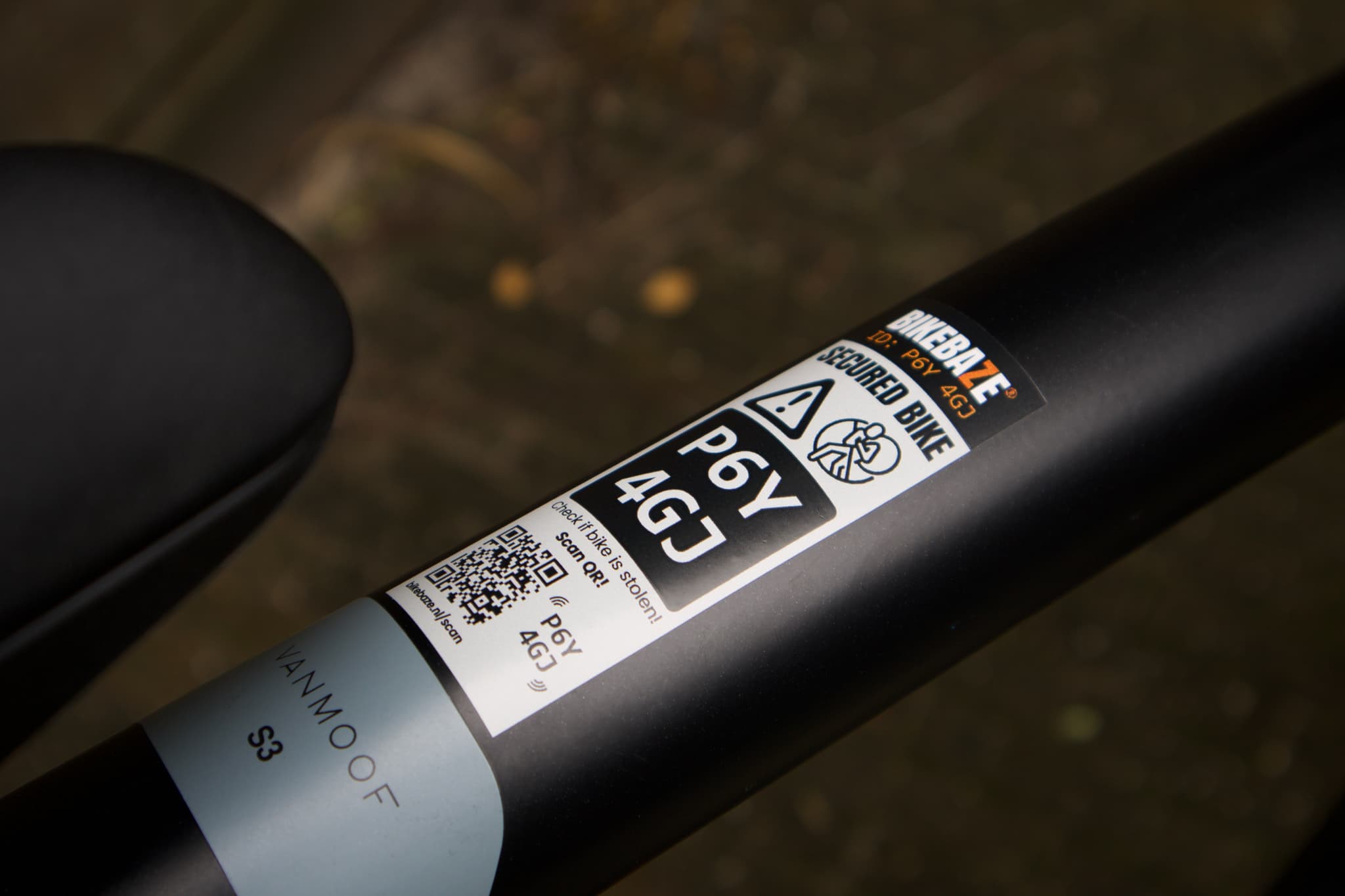
Protect your bike with a SafeTag
The anti-theft sticker that deters thieves and raises the odds of getting your bike back thanks to an active community. Free shipping, ordered before 15:00 ships the same working day.
Tamper-resistant: damage-free removal takes at least 45 minutes
View SafeTagWant to insure your bike too? Get 15% off with Qover
Protect your bike today.
Join thousands of cyclists who register their bike with BIKEBAZE® and help build a safer cycling world.
Register for FREE